Congrats! Cool gig...beyond my pay grade...
I posed your question to Gemini and this is what it came up with...For certain Gemini is not always right but I found it's response pretty cool for someone who has not dealt with such an involved set up..
What Gemini said....
At 60 feet away, a solo ORTF pair will likely sound very distant, "washy," and thin. In a church environment, that distance puts you well beyond the
critical distance (the point where the room's reverb becomes louder than the direct sound of the instruments).
You should absolutely use a
blend of all the mics. In 2026, with the processing power of an SQ7, you have the tools to make this "distant" ORTF pair work as a cohesive "glue" for your closer spot mics.
Here is the best way to manage this blend:
1. The Role of the ORTF (The "Master Glue")
Since your AKG C214s are 60 feet back, they aren't going to give you "detail." Instead, they will provide the
stereo image and the "bloom" of the room.
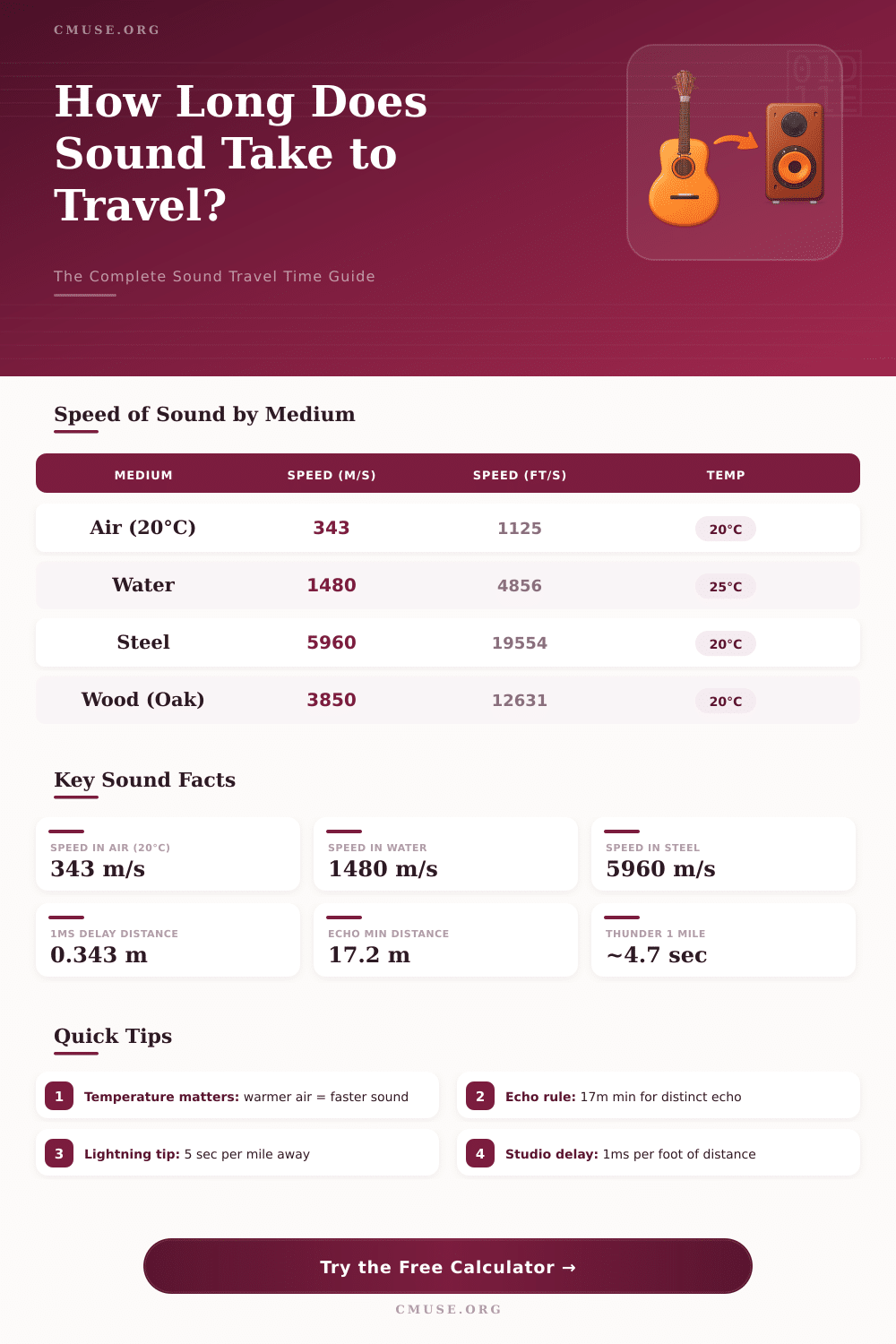
- The Problem: Sound travels at roughly 1.1 feet per millisecond. At 60 feet, the sound hitting your ORTF pair will arrive about 53–55ms later than the sound hitting your choir and string mics.
- The Fix: You must delay the spot mics (choir, strings, bass) to match the ORTF pair. If you don't, the close mics will sound "small" and disconnected from the space. On your SQ7, add a delay to your spot mic channels/groups until they phase-align with the distant 214s.
2. Managing the "Un-Mic'd" Brass
This is your biggest challenge. Since the brass is on the left and has no mics, and your ORTF pair is 60 feet away, the brass might actually sound
clearer in the distant 214s than anything else because brass is naturally directional and loud.
- The Left/Right Balance: Your strings are mic'd on the right, but the brass is "naked" on the left. Use your far-left SDC room mic to help balance the "left" side of the image. Even if it's a room mic, it will pick up the brass's reflection off the left wall, helping to fill that hole in the soundstage.
3. Mixing Strategy on the SQ7
I recommend creating
three main groups (Stereo Groups) on your board:
- Group 1: The Focus (Spots). This includes the hung choir mics, the ribbon mics on violins/violas, and the condensers on the low strings. This group provides the "definition."
- Group 2: The Foundation (Low End). Keep the Cello and Double Bass condensers slightly more prominent here. This provides the "weight" that distant mics usually lose.
- Group 3: The Space (ORTF & Room). This is your 214s and your far L/R SDCs.
The Blend: Start with Group 1. Get a clear, dry mix where you can hear the lyrics and the bow hair on the strings. Then, slowly bring up Group 3 (the ORTF pair) until the ensemble sounds like it's actually "in the church" rather than in a vacuum.
4. Special Note on the Ribbons
Since you are using ribbons on the violins and violas, they will naturally be much darker than the AKG 214s.
- Contrast: The 214s have a bright, modern "shimmer."
- Action: You may need to use a high-shelf boost on the SQ7 for the ribbons, or a slight high-cut on the 214s, to make sure the strings don't sound like they are in a different room than the choir.
Verdict
Don't rely on the ORTF alone. At 60 feet, it will be too "ghostly." Use the
spot mics for the "meat" and the
ORTF for the "vibe."
Since you're at an SQ7, are you recording the multi-track to a USB drive (SQ-Drive) or out to a DAW? This will determine how much of this "time alignment" you should do live versus in the mix.